
Understanding the Differences to Choose the Right Enhance Performance Technique for You
Choosing the right hair transplant technique is a pivotal decision in your hair restoration journey. Both FUE (Follicular Unit Extraction) and FUT (Follicular Unit Transplantation) are effective, clinically proven methods, but each serves different needs depending on hair loss pattern, donor availability, lifestyle, and long-term goals. Understanding the differences helps patients make informed decisions and set realistic expectations for outcomes. At DrHair90210, we prioritize education over sales. Our goal is to provide a transparent, thorough explanation of each technique, its advantages, limitations, and suitability for your specific situation.
This allows you to feel confident, informed, and comfortable with your treatment plan.
Hair restoration is not one-size-fits-all. By evaluating donor quality, scalp elasticity, future hair loss potential, and aesthetic goals, Dr. Shalom ensures that each patient receives a personalized recommendation tailored to long-term success and natural results.
We also consider lifestyle factors, such as hairstyle preferences and activity levels, to determine which technique aligns best with your personal and professional needs.
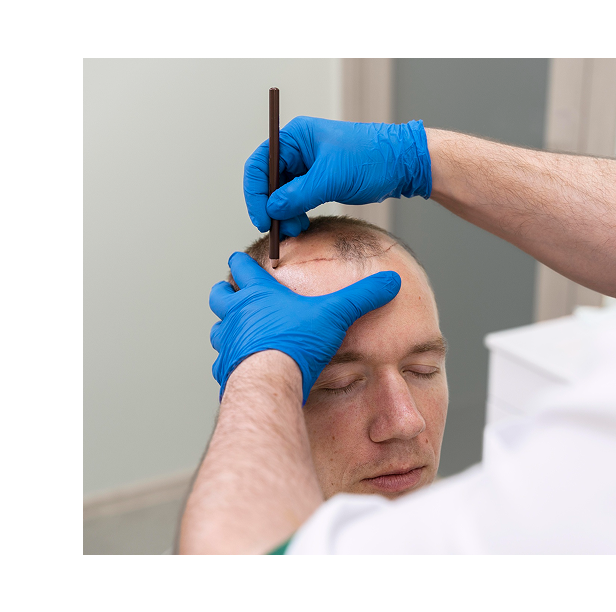
Understanding FUE Hair Transplant
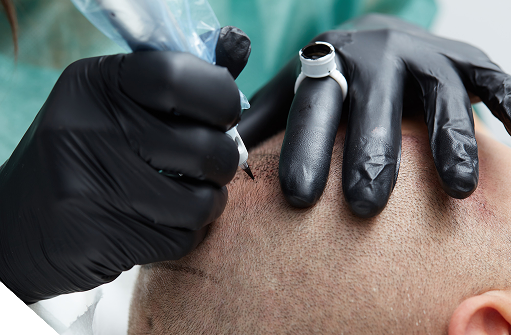
FUE (Follicular Unit Extraction) is a minimally invasive hair restoration technique that has revolutionized modern hair transplantation. Unlike traditional methods, FUE involves the careful harvesting of individual follicular units directly from the donor area, typically the back and sides of the scalp, using ultra-precise micro-punches. Each follicle is then meticulously implanted into thinning or balding areas, taking into account the natural direction, angle, and density of the surrounding hair to ensure a seamless, natural-looking result.
One of the key advantages of FUE is that it avoids the need for a linear incision, which is common in the FUT (Follicular Unit Transplantation) method. This results in tiny, dot-like scars that are virtually invisible, even with short hairstyles. For patients who value discretion, want minimal scarring, or prefer to wear their hair short, FUE offers significant cosmetic benefits.
Key Differences Between FUE and FUT
FUE produces tiny dot scars that are virtually invisible, even with very short haircuts. FUT creates a linear scar, which is generally concealed by surrounding hair but may be noticeable if the hair is worn very short.
FUE typically offers a faster recovery with minimal discomfort, while FUT has a slightly longer healing period due to the incision and suturing required in the donor area.
FUE supports short hairstyles and active lifestyles, whereas FUT is better suited for patients who consistently wear their hair longer to cover the donor scar.
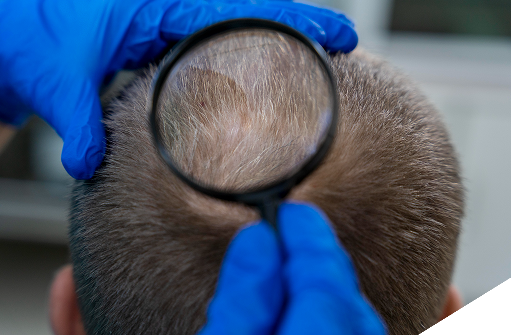
FUE extracts follicles from a broader area, helping preserve donor density for future procedures. FUT concentrates extraction in a single strip, maximizing graft yield while leaving a linear scar.
What Makes One Better Than the Other?
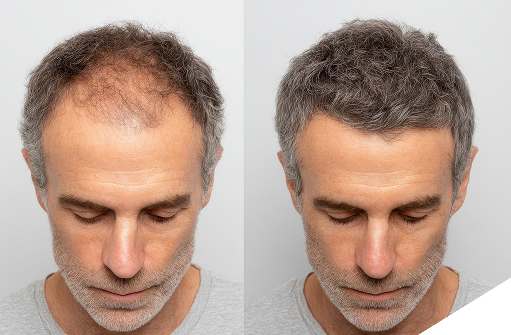
Neither FUE nor FUT is universally “better.” The ideal technique depends on individual anatomy, hair loss pattern, donor quality, scalp elasticity, and long-term goals. Some patients benefit from a hybrid approach, using FUT for high-volume initial coverage and FUE later for refinement, density, or touch-ups.
Factors such as future hair loss risk, lifestyle preferences, and hairstyle expectations also play a role in selecting the most appropriate method. Dr. Shalom emphasizes personalized planning over trends or marketing, ensuring results are natural, sustainable, and aesthetically harmonious.
Both techniques, when performed by an experienced surgeon, provide excellent long-term outcomes, and careful donor management ensures that future restoration options remain viable.
Benefits of a Personalized Approach
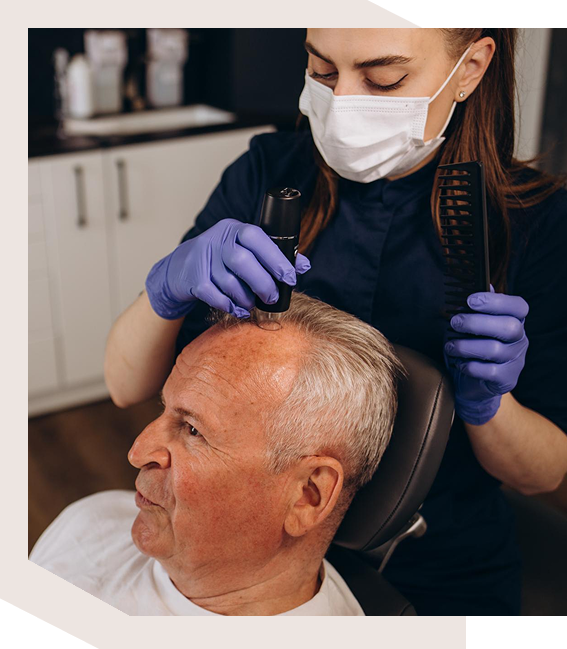
Candidates for FUE or FUT include men and women experiencing patterned hair loss, thinning areas, or localized baldness with adequate donor hair.
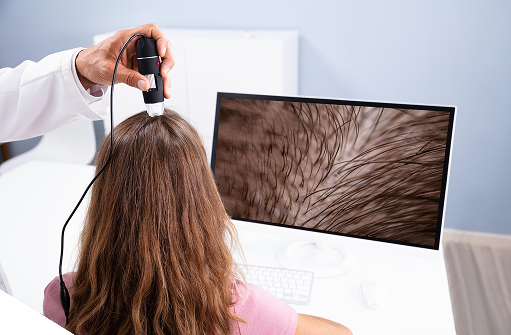
Ideal candidates have realistic expectations, stable scalp health, and a commitment to follow-up care. During consultation, donor density, scalp elasticity, and long-term hair loss risk are carefully evaluated to determine the most appropriate technique.
Why Choose
Dr. Shalom
for Technique Selection?
Dr. Shalom approaches hair restoration with ethics, transparency, and long-term vision. Every patient receives a detailed evaluation of donor supply, hair loss progression, scalp elasticity, and aesthetic considerations before a recommendation is made.
You receive a full explanation of the advantages, limitations, and expected outcomes of both FUE and FUT. This empowers patients to make informed choices with confidence rather than pressure.
With Dr. Shalom, patients benefit from hands-on expertise, personalized planning, and treatments designed to age naturally, preserving donor areas and minimizing the need for corrective procedures in the future.
FUE vs FUT: Side-by-Side Comparison
| Feature | FUE | FUT |
|---|---|---|
| Scarring | Tiny dot scars | Linear scar |
| Recovery | Faster | Slightly longer |
| Grafts per session | Moderate | Higher |
| Hairstyle flexibility | Short or long | Best with longer hair |
| Procedure type | Minimally invasive | Surgical incision |

Neither FUE nor FUT is universally “better”; the optimal technique depends on each patient’s unique anatomy, hair loss pattern, donor quality, scalp elasticity, and long-term restoration goals. Some patients may benefit from a hybrid approach, where FUT is used initially for high-volume coverage and FUE is employed later for refinement, density enhancement, or touch-ups. Selecting the most appropriate method also involves considering factors such as future hair loss risk, lifestyle preferences, activity level, and hairstyle expectations.
Dr. Shalom emphasizes personalized planning over trends or marketing claims, focusing on results that are natural, balanced, and sustainable. Both FUE and FUT, when performed by a skilled and experienced surgeon, can deliver excellent long-term outcomes. Careful donor area management is a key priority, ensuring that future restoration options remain viable and that transplanted hair integrates seamlessly with existing growth.
By combining meticulous technique with forward-thinking planning and ongoing monitoring, patients can achieve hair restoration results that are aesthetically harmonious, durable, and tailored to their individual needs.
Posted on GoogleTrustindex verifies that the original source of the review is Google. Went in for a hair transplant consult w/ Dr. Shalom and had a really good experience. He was super nice, easy to talk to, and made me feel comfortable right away. Ended up doing PRP + exosomes while I was there and the whole process was quick and easy. Great staff too, everyone was friendly and made the experience really comfortable. Definitely recommend.Posted on GoogleTrustindex verifies that the original source of the review is Google. I had such an amazing experience with Dr. Shalom! I came in for a consultation for an eyebrow transplant, and after meeting with him, I’m even more excited and confident about moving forward with the procedure. Dr. Shalom was incredibly thorough and professional. He took detailed photos of my eyebrows and scalp, carefully evaluated everything, and even did my labs right there in the office. I really appreciated how much time and attention he put into my consultation and how thoroughly he explained everything. You can truly tell he cares about his patients and takes his work seriously. I’m officially scheduled for my procedure next month, and I honestly can’t wait! I’m so excited to see the results and would absolutely recommend Dr. Shalom to anyone considering an eyebrow transplant.Posted on GoogleTrustindex verifies that the original source of the review is Google. Dr Jonathan Shalom is an amazing Doctor! Not only is he on the cutting edge of hair restoration, but he truly cares about his patients. He is compassionate and committed 💯 to your hair restoration goals. He takes the time to explain every procedure from the beginning to the end. His office bright and beautiful and his staff (Lorena) is very kind. I cannot recommend him enough! Thank you Dr Shalom!Posted on GoogleTrustindex verifies that the original source of the review is Google. Great work and love the result. Thank you so much. Definitely recommended.Posted on GoogleTrustindex verifies that the original source of the review is Google. ★★★★★ I rarely write reviews, but I truly felt that Dr. Jonathan Shalom deserves one. From my very first consultation, I knew I was in the hands of someone who genuinely cares about his patients. He took the time to answer all of my questions, explained everything clearly, and made me feel comfortable and confident throughout the process. In my opinion, Dr. Jonathan Shalom is one of the best hair restoration physicians in Beverly Hills. His professionalism, expertise, attention to detail, and genuine care for patients are truly exceptional. His entire team is friendly, welcoming, and highly professional, making every visit a great experience. If you are considering a hair restoration procedure, I wholeheartedly recommend Dr. Jonathan Shalom. Don't waste your time looking anywhere else. You'll be in some of the best hands you could ask for. Thank you, Dr. Jonathan Shalom, and the entire Doctor Hair team.Posted on GoogleTrustindex verifies that the original source of the review is Google. I was losing hair and never figured it out. My stylist told me about Dr Shaloms office. I made an appointment and he was so thorough! He drew my labs that day. I'm 4 months in and my hair is thicker than ever with minimal loss. Grateful 🙏🏻Posted on GoogleTrustindex verifies that the original source of the review is Google. I live in North San Diego County and drive over two hours each way to see Dr. Shalom and I will continue to do so without hesitation. There are plenty of well regarded hair loss doctors near me who offer PRP but after my initial online consultation with Dr. Shalom, I knew I'd found the best. Hair loss is scary. It's personal, and it can feel deeply unsettling especially when you're not sure what's causing it. Dr. Shalom has made me feel heard, validated, and genuinely cared for. He is kind in a way that's rare in medicine, and he never makes me feel rushed or dismissed. His intake process was thorough in ways I didn't expect. He reviewed extensive lab work to understand whether my hair loss was connected to broader health issues and he performed an in-office hair test to assess for androgenic alopecia. He explains everything clearly, follows up consistently, and has honestly been more attentive to my overall health than my own GP. I just completed my first PRP session with more to come and I'll be documenting my progress along the way. I'm already confident in this process because I'm confident in him and I'll be back to update this review as my results unfold. His team reflects the same standard of care. Lorena and Shauna have been exceptional. They are quickly responsive, warm, and helpful. Lorena in particular has held my hand through the process, and that support has meant more than I can express. Dr. Shalom is the kind of physician you wish you could see for everything. If you're scared, overwhelmed, or just not sure where to turn he is the right choice.Posted on GoogleTrustindex verifies that the original source of the review is Google. Dr. Shalom and the team at Dr Hair 90210 were fantastic. Professional, knowledgeable, and genuinely caring throughout the entire process. They took the time to answer all my questions and made me feel comfortable every step of the way. Highly recommend!Posted on GoogleTrustindex verifies that the original source of the review is Google. If you are dealing with hair loss, stop scrolling and book with Dr. Shalom. Full stop. When my hair started falling out, I was scared and desperate. And so many doctors try to push unnecessary products and packages. Dr. Shalom was the complete opposite. He did the due diligence first, checked my bloodwork, actually listened and didn't try to sell me a single thing I didn't need. He recommended one session of his double spin PRP with high-quality exosomes. That's it. And just like that, the shedding stopped. With it, so did my fear. My confidence came back and my hair is now growing longer and stronger than ever. Dr. Shalom is the best of the best. He is a doctor who treats his patients like family and lets the results speak for themselves. I am beyond grateful.Posted on GoogleTrustindex verifies that the original source of the review is Google. I came here from the LA times article. Dr. Shalom did a very thorough exam on my scalp as I was noticing abnormal shedding to the sides of my hair. He started me on a treatment plan, and WOW. so impressed and so grateful!
Schedule Your FUE vs FUT
Consultation Today
If you’re considering hair restoration in California, DrHair90210 offers personalized consultations, advanced techniques, and transparent guidance to help you choose between FUE and FUT with confidence.
Contact us today to schedule your consultation and start your journey to confidence with a FUE vs FUT Hair Transplant in California.
Yes. Many patients start with FUT to achieve maximum graft coverage and later use FUE for refinement or additional density. FUE is minimally invasive and can target specific thinning areas without compromising previous FUT grafts.
FUE leaves tiny dot scars at the extraction sites, which are almost invisible once healed. Unlike FUT, it does not produce a linear scar, making it ideal for patients who wear short hairstyles or want minimal visible scarring.
Both FUE and FUT can achieve completely natural results when performed by an experienced surgeon. Success depends on proper graft placement, hairline design, angle, and density rather than the method itself.
Yes. Both techniques can be adapted for female hair restoration. The choice depends on hair loss pattern, donor density, and coverage needs. Women with diffuse thinning often benefit from FUE or combined approaches.
FUT is often more cost-effective for larger sessions because it yields more grafts at once. FUE typically costs more per graft due to the time-intensive, individualized extraction process, especially for high-density restoration.
FUE recovery is generally faster, with patients resuming normal activities within a few days. FUT has a slightly longer recovery due to the donor strip incision, sutures, and wound healing, usually taking 7–14 days for initial healing.
Yes. FUE is often used for touch-ups, scar revisions, or filling gaps from prior surgeries. FUT may also be employed for dense coverage in previously under-treated areas. Hybrid approaches can combine both for optimal results.
FUE spreads extraction across the donor area to prevent over-harvesting, while FUT concentrates graft removal in a single strip. Strategic planning ensures sufficient donor reserves for potential future procedures.
Yes. When performed correctly, both FUE and FUT provide hair that grows permanently and ages in harmony with natural hair. Long-term planning considers future hair loss and ensures the hairline and density evolve naturally over time.
The choice depends on hair loss pattern, donor availability, scalp elasticity, hairstyle preference, and long-term goals. Dr. Shalom evaluates these factors and provides personalized guidance, often offering a recommendation based on achieving the most natural and sustainable results.
Premium Comfort Upgrade
IV sedation is available as an add-on upgrade for this procedure — administered by a board certified anesthesiologist with continuous monitoring. Most patients have little to no memory of the session. Wake up with the hard part already done.